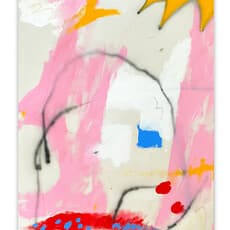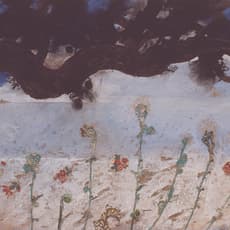
Isabel Servera
Women have made significant contributions to Latin music, a genre which predates the Spanish colonization of the Americas. Indigenous communities reserved music for women, who were given equal opportunities with men to teach, perform, sing, and dance. Ethnomusicologists have measured ceramic, animal-bone, and cane flutes from the Inca Empire which indicate a preference for women with a high vocal range. Women had equal social status, were trained, and received the same opportunities in music as men in indigenous communities until the arrival of Columbus in the late 15th century. European settlers brought patriarchal, machismo ideologies to the continent, replacing the idea of equality between men and women. They equated native music with "savagery" and European music with "civilization". Female musicians tended to be darker-skinned as a result of the slave trade, and contemporary society denigrated music as a profession. Latin music became Africanized, with syncopated rhythms and call-and-response; European settlement introduced harmony and the Spanish décima song form.
Source: Wikipedia →Quick Facts
- Based in
- Barcelona, Spain
- Country
- Spain
- Type
- Individual
Career Timeline
- 2025Art FairParticipated in NADA
Art Fair Participations
Related Artists
Frequently Asked Questions
What medium does Isabel Servera work in?
Information about Isabel Servera's medium is not available.
Where is Isabel Servera based?
Isabel Servera is based in Barcelona, Spain.